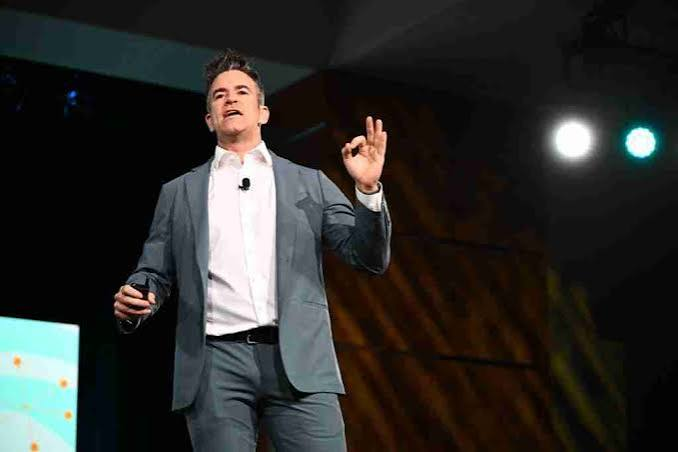
Corporate events bring together employees, business leaders, clients, partners, and industry professionals for a shared purpose. Whether the occasion is a conference, product launch, annual meeting, awards ceremony, networking event, or corporate emcee company celebration, keeping everyone engaged can be challenging. This is where a skilled corporate emcee can make a significant difference.
A corporate emcee acts as the host and guide of an event. They introduce speakers, communicate important information, maintain the event schedule, interact with attendees, and help create an energetic atmosphere. More than simply making announcements, an experienced emcee helps connect different parts of an event and ensures that the audience remains involved from beginning to end.
What Is a Corporate Emcee?
A corporate emcee is a professional event host who specializes in business-related gatherings. The role requires strong communication skills, confidence, preparation, and the ability to adapt to different audiences.
Unlike a casual event host, a corporate emcee must understand professional etiquette and company objectives. Their language, humor, presentation style, and interaction with guests should match the event’s purpose and audience.
A corporate emcee may be responsible for welcoming guests, introducing executives, presenting awards, announcing activities, coordinating transitions, and keeping the program moving according to schedule.
Why Professional Event Hosting Matters
Even a carefully planned corporate event can experience unexpected challenges. A speaker may need additional time, a presentation may experience technical difficulties, or an activity may need to be rearranged. Without someone capable of managing these situations, an event can quickly lose momentum.
A professional emcee provides continuity. They can communicate changes clearly, fill unexpected gaps, and help the audience remain focused while organizers resolve problems behind the scenes.
Good event hosting also creates a consistent experience. Instead of leaving attendees wondering what happens next, the emcee provides clear transitions between presentations, activities, meals, entertainment, and other parts of the program.
Creating Audience Engagement
Audience engagement is one of the most important responsibilities of an emcee. Corporate events can sometimes involve long presentations or formal discussions, making it difficult for attendees to maintain their attention.
An effective host can introduce interactive moments, ask appropriate questions, encourage participation, and use an engaging speaking style. These techniques can make the event feel more dynamic without taking attention away from its primary purpose.
The emcee should also understand the audience. A technology conference may require a different communication style from an employee appreciation event. Understanding the audience helps the host choose appropriate language, humor, pacing, and interaction.
Encouraging Participation
Simple activities can encourage guests to become more involved. Audience questions, short discussions, applause prompts, recognition moments, and interactive introductions can help create a stronger connection between the stage and the audience.
The key is balance. Interaction should support the event rather than become a distraction.
Keeping the Event on Schedule
Time management is another major responsibility of a corporate emcee. Business events often include multiple speakers, presentations, breaks, meals, entertainment, and networking sessions.
A skilled host monitors the schedule and helps maintain smooth transitions. They can introduce the next speaker while the previous session concludes, provide reminders about upcoming activities, and communicate schedule changes to attendees.
Keeping an event on time is particularly important when guests have transportation arrangements, business meetings, or other commitments after the program.
Supporting Speakers and Presenters
Speakers can benefit greatly from an experienced host. A corporate emcee introduces each presenter, provides relevant context, and helps establish an appropriate atmosphere before the presentation begins.
The introduction should be informative without becoming unnecessarily long. A well-prepared introduction can establish the speaker’s credibility and give the audience a reason to pay attention.
An emcee can also help speakers transition smoothly from one segment to another. After a presentation, the host may summarize key points, thank the speaker, and introduce the next part of the program.
Handling Unexpected Situations
No event is completely immune to unexpected situations. Microphone problems, delayed presentations, missing materials, schedule changes, or late speakers can create awkward moments.
An experienced emcee can help manage these situations calmly. Instead of drawing unnecessary attention to a problem, they can keep the audience engaged while the event team works on a solution.
This requires quick thinking and confidence. The host needs to understand when to speak, when to pause, and when to allow the technical or organizing team to handle an issue.
Building a Professional Atmosphere
The emcee often becomes one of the most visible representatives of an event. Their appearance, language, attitude, and communication style contribute to the overall atmosphere.
For corporate gatherings, professionalism is especially important. The host should communicate clearly, respect different backgrounds, and avoid humor or comments that could make guests uncomfortable.
At the same time, professionalism does not mean an event has to feel stiff or boring. A confident host can combine professionalism with warmth and enthusiasm to create a welcoming environment.
Preparing Before the Event
Successful hosting begins long before the audience arrives. Preparation allows the emcee to understand the event schedule, speakers, company background, audience profile, and important announcements.
A host should review the running order and speaker information carefully. They should also understand pronunciation of names, key company terminology, sponsor information, and any special instructions from the event organizers.
A pre-event meeting with the organizing team can help identify potential challenges and clarify responsibilities. Familiarity with the venue and stage setup can also make the host more comfortable during the live event.
Understanding the Event’s Goals
Every corporate event has a purpose. It may focus on education, employee recognition, networking, business development, brand awareness, or celebration.
The emcee should understand that purpose and reflect it throughout the program. Their communication should support the event’s central message rather than compete with it.
Choosing the Right Corporate Emcee
Organizations should consider several factors when selecting an event host. Communication ability, professional experience, preparation habits, audience interaction skills, and adaptability are all important.
It is also useful to consider whether the emcee’s personality matches the event. A formal executive conference may require a polished and structured presentation style, while a company celebration may benefit from a more energetic approach.
Organizations can also review previous event performances, testimonials, or sample hosting work when making their selection.
Conclusion
A successful corporate event requires more than a good venue and carefully planned schedule. The way an event is presented can strongly influence how attendees experience it. A skilled corporate emcee connects speakers, activities, and audiences while helping the program remain organized and engaging.
From welcoming guests and introducing speakers to managing transitions and responding to unexpected situations, the emcee plays an important role throughout the event. With proper preparation, professional communication, and audience awareness, an experienced host can help transform a structured corporate program into a memorable and enjoyable experience.