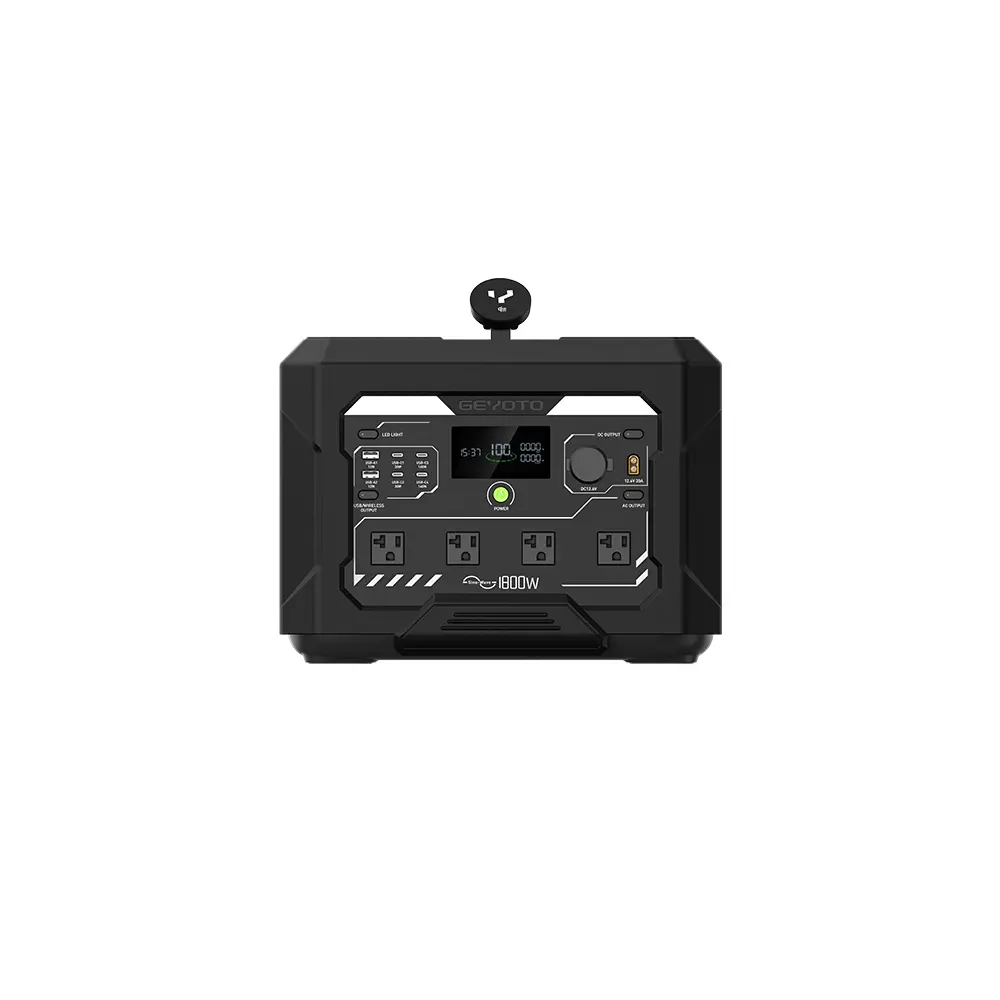
Understanding the Importance of a Home Backup Power Station
A modern lifestyle depends heavily on uninterrupted electricity. From lighting and refrigeration to internet connectivity and medical devices, nearly every aspect of daily comfort is tied to power supply. However, unexpected grid failures, load shedding, and weather-related outages can disrupt this comfort instantly. This is where a home backup power station becomes an essential solution for households seeking reliability and independence from the main grid.
A home backup power station is designed to store electricity and supply it when the main power source fails. It acts as an emergency energy reserve, ensuring that critical appliances keep running without interruption. As energy demands increase and power infrastructure faces strain in many regions, more homeowners are turning to this technology for security and peace of mind.
How a Home Backup Power Station Works
A home backup power station typically operates using rechargeable batteries, most commonly lithium-ion or LiFePO4 technology. These systems store energy either from the grid or from renewable sources such as solar panels. When a power outage occurs, the system automatically switches to battery mode and begins supplying electricity to connected devices.
The process is seamless and often automatic. The system detects the power failure within milliseconds and activates backup power instantly. This ensures that essential appliances like fans, lights, Wi-Fi routers, refrigerators, and medical equipment continue functioning without disruption.
Modern versions of the home backup power station are equipped with intelligent energy management systems. These systems optimize power usage, extend battery life, and allow users to monitor energy consumption through mobile apps or digital displays.
Key Benefits of Using a Home Backup Power Station
A home backup power station offers several advantages that go beyond simple electricity backup. One of the most significant benefits is uninterrupted comfort. During power outages, families can continue their daily activities without inconvenience or stress.
Another important benefit is safety. Power failures can create unsafe conditions, especially at night or during extreme weather. A home backup power station ensures that lighting and security systems remain active, reducing risks such as accidents or security breaches.
Energy independence is another major advantage. By integrating solar panels, a home backup power station allows homeowners to generate and store their own electricity. This reduces reliance on the grid and helps lower electricity bills over time.
Additionally, these systems are environmentally friendly. When paired with renewable energy sources, a home backup power station reduces carbon emissions and supports sustainable living.
Different Types of Home Backup Power Stations
There are several types of home backup power station systems available, each designed for different energy needs and budgets.
Portable power stations are compact and ideal for small homes or short-term outages. They can power essential devices like phones, laptops, and small appliances. These units are easy to move and require minimal installation.
Mid-sized systems offer more capacity and can support multiple household appliances at the same time. They are suitable for families that experience frequent power outages.
Whole-home systems are the most advanced type of home backup power station. These are permanently installed and integrated into the home’s electrical system. They can power nearly all household devices, including high-energy appliances like air conditioners and washing machines.
Why Homeowners Are Investing in Backup Power Solutions
The growing interest in the home backup power station is driven by increasing power instability in many regions. Frequent outages disrupt work-from-home routines, affect education, and reduce overall quality of life. As a result, homeowners are prioritizing energy reliability more than ever before.
Another reason is technological advancement. Modern home backup power station systems are more affordable, efficient, and compact compared to older generator-based solutions. Unlike fuel generators, they operate silently, require little maintenance, and do not produce harmful emissions.
Rising electricity costs also play a role. By using a home backup power station combined with solar energy, households can reduce long-term energy expenses while maintaining reliable power access.
Practical Uses During Power Outages
During a blackout, a home backup power station becomes a lifeline for daily activities. It keeps essential systems running, such as lighting, allowing families to move safely around the home. It powers communication devices so people can stay connected during emergencies.
For families with children or elderly members, the home backup power station ensures that comfort systems like fans, heaters, or medical devices remain operational. In hot climates, it can even prevent heat-related health risks by powering cooling appliances.
It also helps protect food storage by keeping refrigerators and freezers running, reducing the risk of food spoilage during extended outages.
Choosing the Right Home Backup Power Station
Selecting the right home backup power station depends on several factors, including household size, energy consumption, and budget. It is important to calculate the total wattage of essential appliances before making a purchase.
Battery capacity is one of the most critical considerations. A larger capacity home backup power station can run more devices for a longer period. However, it may also come at a higher cost.
Portability is another factor. Some users prefer compact systems that can be moved easily, while others prefer fixed installations for full-home coverage.
Charging options also matter. A good home backup power station should support multiple charging methods, including wall outlets, car charging, and solar panels.
Maintenance and Long-Term Performance
One of the advantages of a home backup power station is its low maintenance requirement. Unlike traditional fuel generators, it does not require oil changes or frequent mechanical servicing.
However, proper usage habits can extend battery life. It is recommended to avoid complete battery depletion and to store the system in a cool, dry place. Regular charging cycles also help maintain optimal performance.
Many modern home backup power station systems include built-in monitoring tools that alert users about battery health and performance, making maintenance even easier.
The Future of Home Backup Power Stations
The future of the home backup power station industry looks promising as energy storage technology continues to evolve. Batteries are becoming more efficient, charging times are decreasing, and capacities are increasing.
Integration with smart home systems is also expanding. Soon, a home backup power station will be able to automatically prioritize essential appliances, optimize energy usage, and even sell excess power back to the grid in some regions.
As renewable energy adoption grows, these systems will play a central role in creating sustainable, resilient homes.
Conclusion
A home backup power station is no longer a luxury but a practical necessity in today’s energy-dependent world. It ensures comfort, safety, and continuity during unexpected grid failures. Whether for small households or large families, investing in a home backup power station provides long-term reliability and peace of mind.
With advancements in technology and increasing demand for energy independence, the home backup power station is set to become a standard feature in modern homes, helping people stay prepared for any power disruption while embracing a more sustainable future.