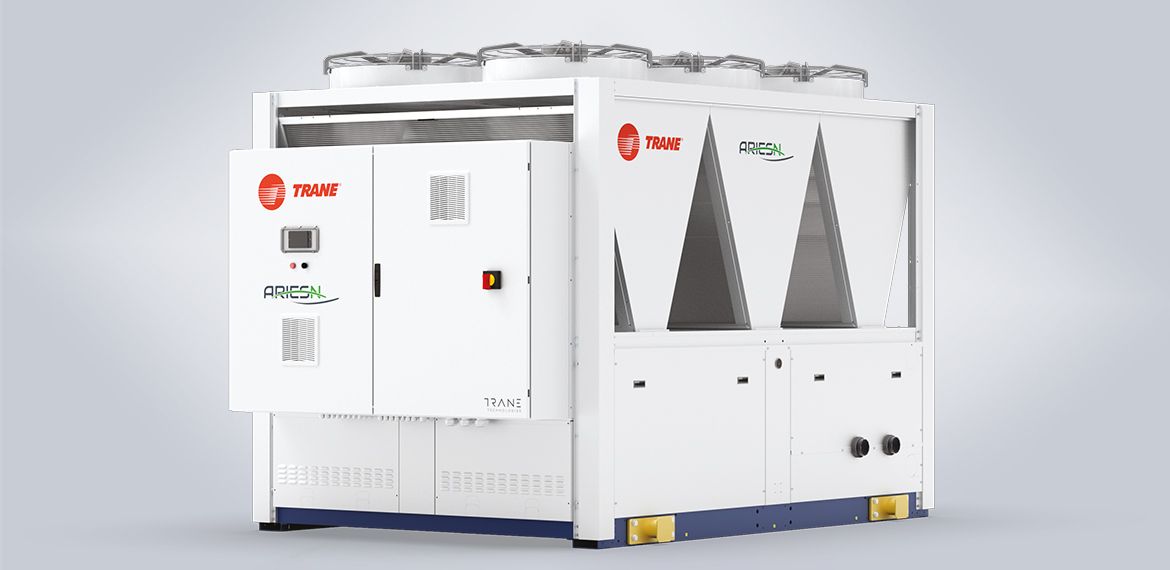
Commercial buildings today face increasing demands for energy efficiency, sustainability, and reliable climate control. Traditional refrigeration and air conditioning systems often rely on synthetic refrigerants that have high global warming potential (GWP) and contribute to environmental concerns. In this context, propane chillers have emerged as an environmentally friendly and efficient alternative for commercial HVAC systems. This guide explores everything you need to know about propane chillers, from how they work to their benefits, applications, and maintenance considerations.
Understanding Propane Chillers
Propane chillers are refrigeration systems that use propane (R-290) as the primary refrigerant. Propane is a natural hydrocarbon that has excellent thermodynamic properties, making it highly efficient for cooling applications. Unlike traditional refrigerants such as R-22 or R-410A, propane has an extremely low global warming potential and zero ozone depletion potential, making it one of the most eco-friendly refrigerants available.
These chillers function similarly to conventional systems. They absorb heat from the building’s air or water through an evaporator, compress the refrigerant, and then reject the heat through a condenser. The primary difference lies in the use of propane, which has higher energy efficiency and reduced environmental impact.
Advantages of Using Propane Chillers
Energy Efficiency and Cost Savings
One of the primary benefits of propane chillers is their superior energy efficiency. Propane has excellent thermodynamic properties, allowing chillers to operate at lower energy consumption while delivering the same cooling output. Over time, this translates into significant operational cost savings for commercial building owners.
Environmental Sustainability
Propane chillers are a sustainable choice due to their minimal environmental impact. Propane’s GWP is less than 1, and it does not deplete the ozone layer. Switching to propane-based cooling systems helps buildings comply with increasingly stringent environmental regulations and sustainability certifications such as LEED.
Reliability and Performance
Modern propane chillers are designed for high reliability and performance in commercial settings. They can handle large cooling loads efficiently and maintain stable indoor temperatures. Propane chillers also perform well in a range of climates, making them versatile for different commercial applications.
Compact Design and Flexibility
Many propane chillers come in compact designs that allow easier installation in urban environments or retrofit projects. Their modular design enables scalable solutions for buildings of varying sizes, from small office complexes to large industrial facilities.
Applications in Commercial Buildings
Propane chillers are highly versatile and can be used in a variety of commercial buildings:
Office Buildings
Large office buildings often have high cooling demands due to multiple floors, electronic equipment, and occupant density. Propane chillers provide efficient and consistent cooling while reducing electricity costs and environmental footprint.
Hotels and Hospitality
Hotels require precise climate control for guest comfort and operational efficiency. Propane chillers ensure quiet, reliable, and energy-efficient cooling for guest rooms, lobbies, and conference facilities.
Hospitals and Healthcare Facilities
Healthcare facilities demand strict temperature control for patient care and equipment operation. Propane chillers offer stable cooling with environmentally safe refrigerants, which is crucial for hospitals looking to meet sustainability and regulatory standards.
Retail Spaces and Malls
Large retail spaces often require centralized cooling systems to maintain comfort across expansive areas. Propane chillers can handle these cooling loads efficiently, improving energy savings and providing a green solution for environmentally conscious businesses.
Industrial Facilities
Industrial facilities, including manufacturing plants and data centers, benefit from propane chillers due to their high cooling capacity and ability to operate in demanding environments. Their energy efficiency also contributes to reducing operational costs in energy-intensive processes.
Design Considerations for Propane Chillers
Cooling Load Assessment
Before selecting a propane chiller, it is essential to assess the building’s cooling load. This involves calculating the total heat gain from occupants, equipment, lighting, and external sources. Accurate load calculations ensure that the chiller operates efficiently without over- or under-sizing.
System Configuration
Propane chillers are available in various configurations, including air-cooled, water-cooled, and hybrid systems. The choice depends on the building’s layout, cooling requirements, and available space for installation. Water-cooled systems are generally more energy-efficient for large-scale commercial applications, while air-cooled systems are easier to install and maintain.
Safety Measures
Although propane is environmentally friendly, it is flammable. Proper safety measures, such as leak detection systems, adequate ventilation, and adherence to local codes, are critical when designing and installing propane chillers. Certified professionals should handle system installation to ensure compliance with safety standards.
Integration with Building Management Systems
Modern commercial buildings often use Building Management Systems (BMS) to monitor and control HVAC systems. Propane chillers can be integrated with BMS for optimized energy management, remote monitoring, and predictive maintenance, enhancing operational efficiency.
Maintenance and Operational Tips
Regular Inspection
Routine inspection of the chiller’s components, including compressors, evaporators, condensers, and refrigerant lines, ensures optimal performance. Early detection of leaks or wear reduces downtime and prolongs the system’s lifespan.
Refrigerant Management
While propane is a natural and environmentally safe refrigerant, it is still essential to monitor levels and prevent leaks. Certified technicians should handle refrigerant charging, recovery, and disposal according to safety protocols.
Cleaning and Servicing
Evaporator and condenser coils should be cleaned regularly to maintain heat transfer efficiency. Air filters and water strainers should also be checked and replaced as needed. Proper maintenance keeps energy consumption low and prevents system failures.
Monitoring Performance Metrics
Monitoring key performance indicators, such as temperature differentials, compressor load, and energy usage, helps optimize system operation. Many propane chillers come with advanced sensors and controls to facilitate real-time performance tracking.
Challenges and Limitations
Flammability Concerns
The primary challenge with propane chillers is the flammability of the refrigerant. While safety protocols and equipment standards mitigate risks, buildings must adhere strictly to codes and regulations for handling hydrocarbons.
Initial Cost
Propane chillers can have a higher upfront cost compared to traditional systems. However, the energy savings, environmental benefits, and potential incentives often offset the initial investment over time.
Limited Awareness
Despite their advantages, propane chillers are still less commonly used than conventional systems. Building owners may need to consult specialized HVAC contractors experienced with hydrocarbon refrigerants to ensure proper installation and maintenance.
Future of Propane Chillers in Commercial Buildings
The demand for eco-friendly HVAC solutions is rising globally, driven by regulations, corporate sustainability goals, and consumer awareness. Propane chillers are likely to play a significant role in the future of commercial cooling systems. Innovations in design, controls, and safety features continue to enhance their efficiency and reliability. As technology advances, propane chillers are expected to become even more cost-effective and accessible for a wider range of commercial buildings.
Conclusion
Propane chillers represent a sustainable, efficient, and reliable solution for cooling commercial buildings. Their energy efficiency, low environmental impact, and versatility make them an attractive alternative to traditional refrigeration systems. While safety considerations and initial costs require careful planning, the long-term benefits in operational savings, regulatory compliance, and environmental stewardship make propane chillers a smart investment for modern commercial facilities.
Adopting propane chillers is not just about cooling; it’s about creating a more sustainable and future-ready building environment that aligns with energy efficiency goals and environmental responsibility.