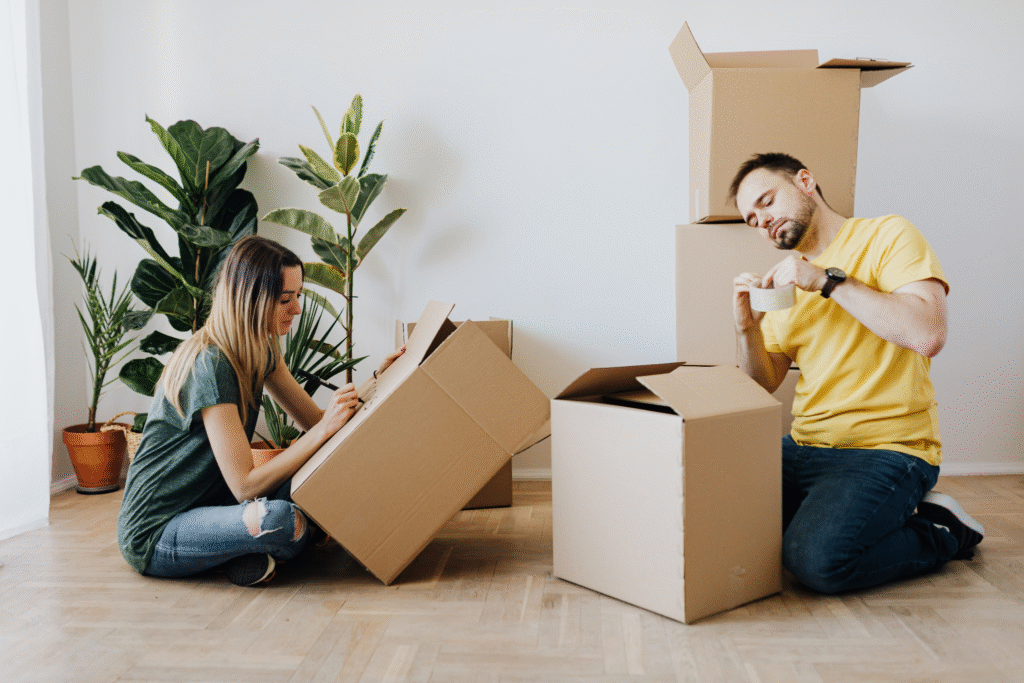
Packing for a move can seem like a daunting task, especially when you have an entire household of belongings to organize. However, using a few smart packing techniques can save you time, reduce stress, and help protect your valuables throughout the relocation process. Whether you’re moving locally or to a new city, proper planning is the key to a successful move.
Many homeowners choose to work with a trusted Flyttfirma Lund to simplify the relocation process, but even with professional assistance, packing efficiently can make moving day much easier. The right strategies help keep your belongings organized and make unpacking faster once you arrive at your new home.
Start with a Packing Plan
Instead of packing randomly, create a room-by-room strategy before you begin.
Make a checklist of every room and prioritize areas that contain items you use less frequently, such as guest rooms, storage spaces, and seasonal decorations. Working through your home in stages helps prevent last-minute chaos.
Declutter Before You Pack
There’s no point in packing things you no longer need.
Sort your belongings into categories:
- Keep
- Donate
- Sell
- Recycle
- Discard
Reducing unnecessary items means fewer boxes to move, lower transportation costs, and less unpacking later.
Use Everyday Household Items as Padding
You don’t always need expensive packing materials.
Soft household items such as towels, blankets, socks, and clothing can be used to cushion fragile items like dishes, picture frames, and decorative pieces. This not only protects your belongings but also saves space in your moving boxes.
Label Boxes Clearly
One of the simplest yet most effective packing hacks is proper labeling.
Write both the destination room and a brief description of the contents on every box. You can also add labels such as “Fragile” or “Open First” to make unpacking more organized.
Pack a Room at a Time
Packing multiple rooms simultaneously often leads to confusion.
Focus on completing one room before moving to the next. Keeping similar items together makes unpacking much more efficient and helps you locate essential belongings quickly.
Create an Essentials Box
Prepare one box or suitcase containing everything you’ll need during your first day in your new home.
Include items such as:
- Toiletries
- Phone chargers
- Medications
- Important documents
- Basic kitchen supplies
- Snacks
- Water bottles
- A change of clothes
Keeping these essentials close by eliminates the need to search through multiple boxes after moving.
Protect Breakable Items
Fragile belongings deserve extra attention.
Wrap each item individually with bubble wrap or packing paper and fill empty spaces inside the box to prevent movement during transportation. Plates should be packed vertically rather than stacked flat for added protection.
Don’t Overload Boxes
Heavy boxes are difficult to lift and more likely to break.
Place books, tools, and other dense items in smaller boxes while using larger boxes for lightweight belongings like pillows, bedding, and clothing.
Balanced boxes are safer to carry and easier to stack inside the moving truck.
Take Photos Before Disconnecting Electronics
Before unplugging televisions, computers, or entertainment systems, take clear photos of the cable connections.
These reference images make reconnecting everything in your new home much faster and help avoid confusion.
Keep Important Documents Separate
Passports, legal papers, financial records, birth certificates, and jewelry should never be packed with household items.
Carry these valuables with you during the move to ensure they remain secure and easily accessible.
Final Thoughts
Packing doesn’t have to be overwhelming when you use smart, practical strategies. By planning ahead, decluttering your home, labeling boxes carefully, protecting fragile items, and packing essential belongings separately, you can make your relocation far more organized and efficient. These simple packing hacks will help you save time, reduce stress, and enjoy a smoother transition into your new home.