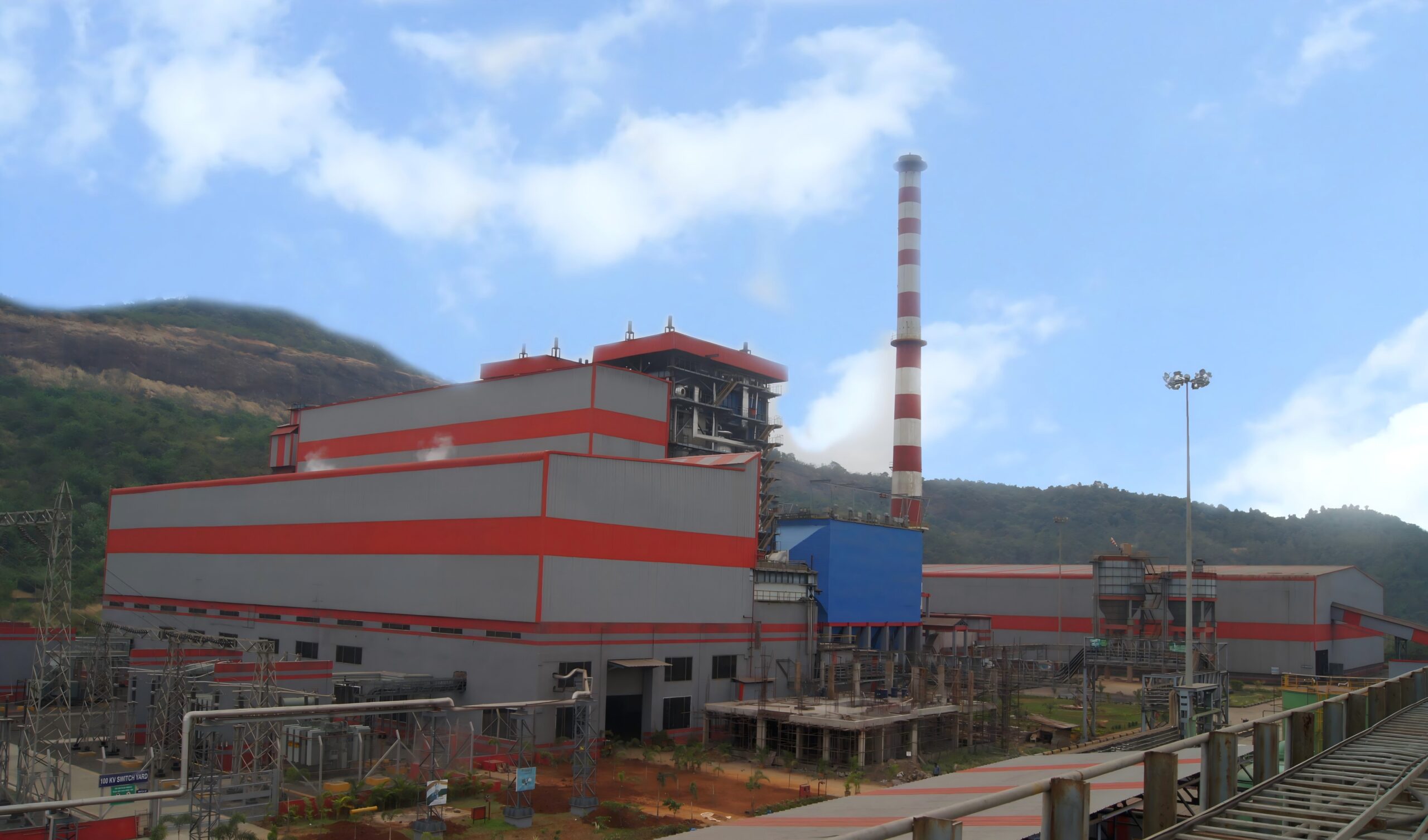
In a coal-fired power plant, the boiler island plays a pivotal role in ensuring efficient electricity generation. The boiler island operation involves a complex interplay of systems that convert the chemical energy of coal into thermal energy, which is then transformed into mechanical and electrical energy. Understanding the functioning, challenges, and solutions related to boiler islands is essential for engineers, plant managers, and operators in the power generation sector coal – fired power plant boiler island operation.
Understanding Boiler Island Operations in Coal-Fired Power Plants
A coal-fired power plant’s boiler island is the core of the plant’s energy conversion process. It primarily consists of the boiler, superheater, economizer, air preheater, fuel handling system, and associated auxiliary equipment. Coal is delivered to the boiler through a fuel handling system, pulverized into fine particles, and then burned in the furnace. The heat generated from combustion converts water in the boiler tubes into steam at high temperature and pressure. This steam is then directed to the turbine, where mechanical energy is generated to drive the generator for electricity production.
The efficiency of the boiler island operation determines the overall performance of the coal-fired power plant. A well-maintained and properly operated boiler island ensures optimal fuel combustion, heat transfer, and steam generation, leading to reduced fuel consumption and lower emissions.
Key Components of a Boiler Island
The boiler island operation in a coal-fired power plant relies on several critical components:
1. Boiler Furnace: The furnace is the heart of the boiler island. It provides the environment for coal combustion and flame propagation. Modern coal-fired boilers are designed to achieve complete combustion, minimizing unburned carbon and particulate emissions.
2. Pulverizers: Coal must be ground into fine particles before combustion. Pulverizers ensure uniform particle size, which improves the combustion efficiency and reduces slag formation on boiler walls.
3. Superheaters and Reheaters: These components increase the temperature of steam beyond its saturation point, enhancing the thermal efficiency of the turbine. Proper operation of superheaters is vital to prevent tube overheating and material damage.
4. Economizers and Air Preheaters: Economizers capture residual heat from flue gases to preheat boiler feedwater, while air preheaters raise the temperature of the combustion air. Together, they improve the energy efficiency of the boiler island operation.
5. Flue Gas Handling Systems: Boiler islands are equipped with flue gas desulfurization, electrostatic precipitators, or bag filters to control emissions of sulfur dioxide, nitrogen oxides, and particulate matter. These systems ensure compliance with environmental regulations.
Challenges in Boiler Island Operation
Operating a coal-fired power plant boiler island is not without its challenges. Several operational and technical issues can affect performance and safety:
1. Fuel Quality Variability: Coal quality can vary significantly in terms of moisture, ash, and calorific value. Poor-quality coal can lead to incomplete combustion, slagging, fouling, and lower boiler efficiency.
2. Ash Deposition and Slagging: During combustion, ash particles can adhere to boiler surfaces, causing slag formation. Slagging reduces heat transfer efficiency and can lead to tube corrosion or rupture if not addressed promptly.
3. Corrosion and Erosion: High-temperature flue gases containing sulfur compounds and fly ash can corrode and erode boiler tubes, reducing their lifespan and increasing maintenance costs.
4. Boiler Tube Failures: Tube failures due to overheating, water circulation issues, or scaling can result in unplanned outages, impacting power plant reliability and increasing operational costs.
5. Environmental Compliance: Modern coal-fired power plants must meet stringent emission standards. Achieving this while maintaining optimal boiler performance can be challenging, requiring continuous monitoring and control systems.
Solutions for Optimizing Boiler Island Operations
To overcome these challenges and ensure efficient coal-fired power plant boiler island operation, several strategies and solutions can be implemented:
1. Advanced Monitoring and Control Systems: Modern plants use distributed control systems (DCS) and advanced sensors to monitor boiler parameters in real time. These systems allow operators to adjust fuel and air flow, steam temperature, and pressure to maintain optimal combustion conditions.
2. Coal Blending and Quality Management: Blending coals of different grades can stabilize combustion properties and reduce slagging and fouling issues. Continuous coal quality analysis helps operators make informed decisions on fuel usage.
3. Boiler Tube Cleaning and Maintenance: Regular cleaning of superheaters, economizers, and air preheaters prevents ash deposition and maintains heat transfer efficiency. Scheduled inspections and predictive maintenance help identify early signs of corrosion or erosion.
4. Efficient Combustion Practices: Optimizing air-to-fuel ratios and using low-NOx burners can improve combustion efficiency while reducing pollutant emissions. Proper furnace operation reduces the risk of tube overheating and slag formation.
5. Emission Control Technologies: Installing flue gas desulfurization units, selective catalytic reduction systems, and electrostatic precipitators ensures that the coal-fired power plant meets environmental standards without compromising boiler performance.
6. Training and Skill Development: Skilled operators and engineers are essential for the safe and efficient operation of the boiler island. Training programs focused on boiler operation, maintenance, and troubleshooting improve plant reliability and reduce unplanned outages.
Future Trends in Boiler Island Operations
The coal-fired power generation sector is evolving with the adoption of digitalization, automation, and efficiency-enhancing technologies. Artificial intelligence and machine learning are being increasingly used to predict maintenance needs, optimize combustion, and reduce emissions. Additionally, retrofitting existing boilers with advanced materials and control systems can extend their lifespan and improve overall plant efficiency.
While coal-fired power plants face competition from renewable energy sources, they remain critical for base-load power generation in many regions. Efficient boiler island operation ensures that these plants can operate safely, reliably, and with minimized environmental impact.
Conclusion
The boiler island is the heart of a coal-fired power plant, responsible for converting coal’s chemical energy into usable electricity. While challenges such as fuel variability, ash deposition, corrosion, and environmental compliance exist, modern solutions including advanced monitoring systems, coal quality management, maintenance strategies, and emission control technologies can optimize operations. By addressing these challenges effectively, power plants can maintain high efficiency, reduce operational risks, and contribute to a reliable electricity supply.
Efficient coal-fired power plant boiler island operation is not just about energy production—it is about sustainability, safety, and maximizing the lifespan of critical equipment. By integrating technological advancements and skilled operational practices, the boiler island can continue to be a cornerstone of reliable power generation.